LED light therapy is not new. It has been used in dermatology for decades to support wound healing, reduce inflammation, and stimulate collagen production. Clinical research has demonstrated that specific wavelengths, particularly red light between 630 and 660 nanometers and blue light around 415 nanometers, can produce measurable improvements in skin texture and acne severity when delivered at therapeutic levels.
As at-home LED masks have entered the consumer market, the central question is no longer whether LED technology works.
The real question is whether consumer devices deliver sufficient wavelength accuracy, energy output, and treatment consistency to produce meaningful results.
Below is a structured comparison of two widely recognized devices.
Mechanism of Action: What Matters Clinically

LED therapy works by delivering specific wavelengths of light into the skin, where they interact with cellular chromophores.
Red Light 630 to 660 nm
Associated with stimulation of fibroblast activity and collagen synthesis. Often used in anti aging protocols.
Blue Light 415 nm
Targets porphyrins produced by acne causing bacteria, helping reduce inflammatory lesions.
Near Infrared 800 to 850 nm
Penetrates more deeply and is used to support tissue repair and reduce inflammation.
Clinical effectiveness depends on:
- Accurate wavelength delivery
- Adequate irradiance
- Sufficient treatment duration
- Consistent protocol adherence
Not all at-home devices are equal in these variables.
CurrentBody Skin LED Mask vs Dr. Dennis Gross LED Mask
CurrentBody Skin LED Light Therapy Mask
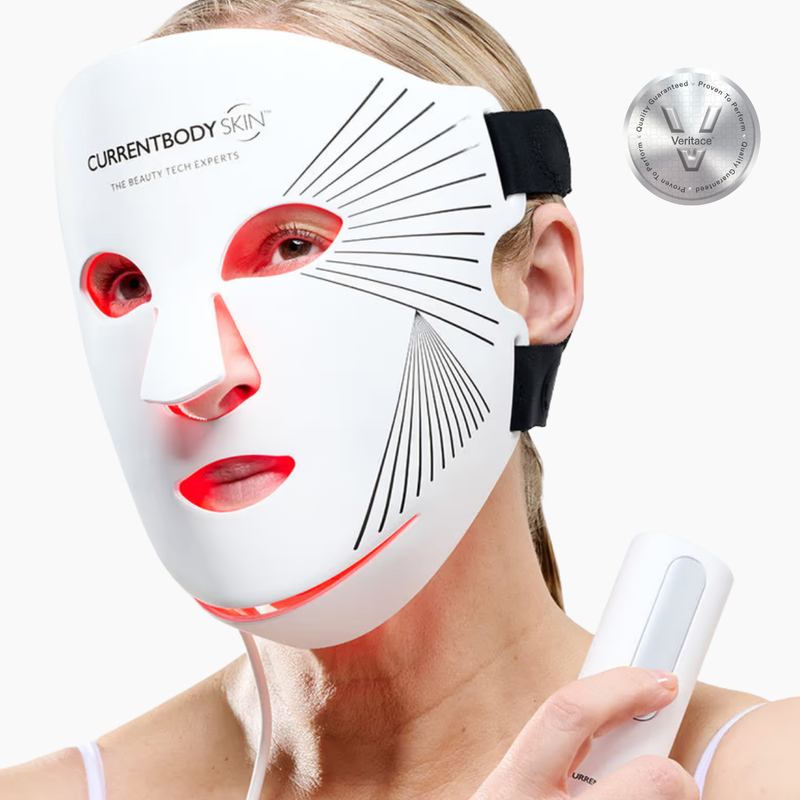
Primary Indication: Anti aging and collagen support
Regulatory Status: FDA cleared
Technical Specifications
- 633 nm red light
- 830 nm near infrared light
- 10 minute treatment protocol
- Flexible silicone design to optimize skin contact
Clinical Positioning
This device focuses exclusively on red and near infrared wavelengths, both commonly used in professional collagen stimulation protocols. The inclusion of near infrared suggests deeper dermal targeting compared to devices limited to surface level red light.
The flexible silicone structure allows closer approximation to the skin surface, which may improve light delivery consistency across facial contours.
Dr. Dennis Gross DRx SpectraLite FaceWare Pro

Primary Indication: Acne management and early signs of aging
Regulatory Status: FDA cleared
Technical Specifications
- 630 nm red light
- 415 nm blue light
- Combination treatment mode
- 3 minute treatment protocol
- Rigid mask structure
Clinical Positioning
This device integrates both anti aging and acne targeting wavelengths. The inclusion of blue light makes it particularly relevant for individuals experiencing inflammatory or persistent breakouts.
The shorter treatment duration may improve compliance, though total energy delivery per session depends on irradiance levels and cumulative weekly usage.
View on Dr. Dennis Gross Official Website
Comparative Overview
| Parameter | CurrentBody | Dr. Dennis Gross |
|---|---|---|
| Red Light | 633 nm | 630 nm |
| Blue Light | No | 415 nm |
| Near Infrared | 830 nm | No |
| Treatment Time | 10 minutes | 3 minutes |
| Primary Focus | Collagen support | Acne plus anti aging |
Clinical Considerations
When evaluating at-home LED masks, the following criteria are more important than aesthetics or brand visibility:
- Wavelength precision
- Total energy delivered per session
- Frequency of recommended use
- Skin contact and coverage
- Alignment with primary skin concern
A device emphasizing near infrared may be more relevant for users prioritizing dermal remodeling and firmness. A device incorporating blue light may be more suitable for acne management protocols.
Neither device replaces in office dermatologic treatment. However, both represent structured attempts to bring clinically studied wavelengths into the home setting.
Conclusion
LED therapy is supported by dermatologic research when delivered at appropriate parameters. At home masks vary in design, wavelength combinations, and treatment protocols.
The distinction is not between medical and Instagram.
The distinction lies in how closely a device aligns with therapeutic wavelength standards and whether it addresses your specific skin objective.
Selecting an LED mask should be based on clinical alignment with your concern, not visual appeal.